This page will give you information about Nissen Fundoplication. If you have any questions, you should ask your GP or other relevant health professional.
What is a Nissen Fundoplication?
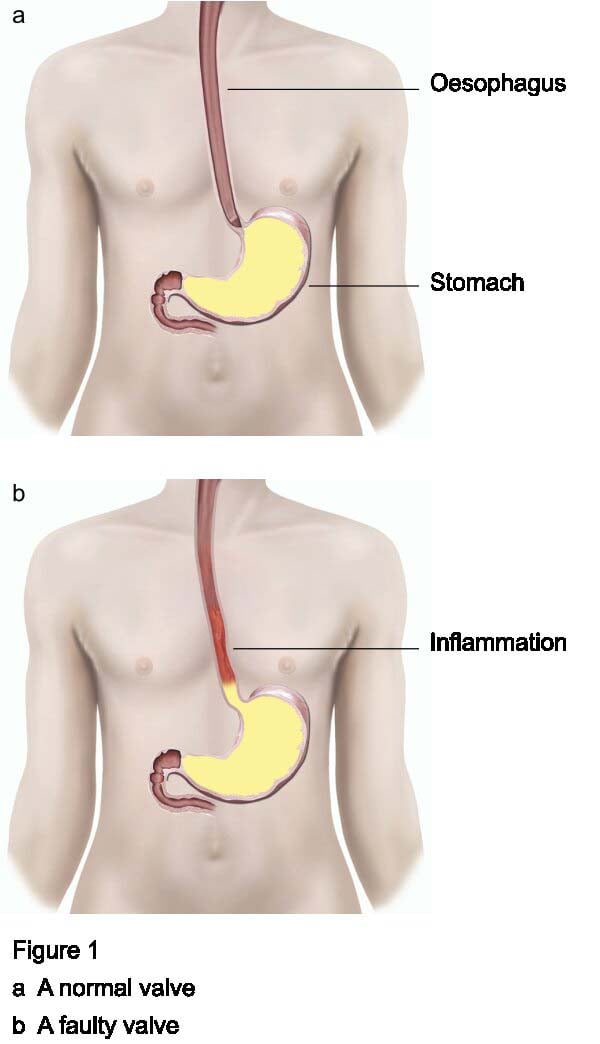
A Nissen Fundoplication is an operation to prevent acid reflux, where acid from your stomach travels up into your oesophagus (gullet). It involves wrapping the top part of your stomach around your oesophagus.
It is normal for a small amount of acid to travel into your oesophagus. If this happens too often it can cause symptoms of a burning sensation in your chest (‘heartburn’) or acid in the back of your mouth. The acid can cause the lining of your oesophagus to become inflamed (oesophagitis) or scarred.
What are the benefits of surgery?
You should get relief from symptoms of acid reflux without needing to take medication.
Following surgery
How soon will I recover?
You should be able to go home the next day.
You should be able to return to work after 3 to 4 weeks, depending on how much surgery you need and your type of work.
Regular exercise should help you to return to normal activities as soon as possible. Before you start exercising, ask the healthcare team or your GP for advice.
You should make a full recovery, with the symptoms of acid reflux gone or much improved.

Consultants and Clinic Times

Miss Serena Ceraldi
Specialities

Mr Francesco Di Maggio
Specialities

Professor Shaun Preston
Specialities
General Surgery, Hernia Surgery, Stomach/Upper Intestine Surgery
Professor Marcus Reddy
Specialities