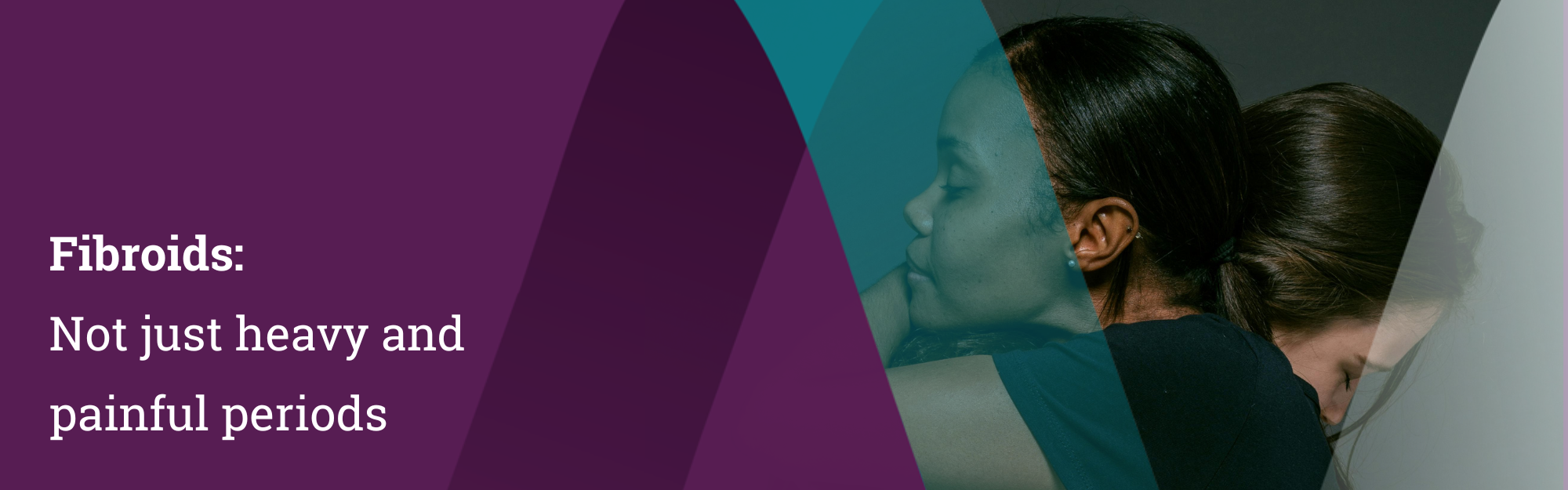
Fibroids affect millions of women, yet many live with symptoms for years before seeking advice, often assuming that heavy periods, bloating or pelvic discomfort are simply something they have to put up with.
Mr Mostafa Abdalla, Consultant Gynaecologist at New Victoria Hospital, senior council member and Chair of BSGE subcommittee for Fibroid Care, explains what uterine fibroids are, the symptoms to look out for, how they can affect everyday life and fertility, and the treatment options that may help women regain control of their health and wellbeing.
If you have ever wondered whether your periods are becoming “too heavy”, or whether constant bloating, pelvic pressure or tiredness is really just part of being a woman or getting older, you are not alone. Although fibroids are non-cancerous, they can have a significant impact on work, exercise, sleep, confidence and future pregnancy plans. Understanding the symptoms is the first step towards a diagnosis and the right support.
What are fibroids?
Fibroids are non-cancerous growths that most commonly develop in or around the womb. You may also hear them described as myomata or leiomyomata. In everyday language, these terms are often used interchangeably, although leiomyoma is the more precise medical term for a benign smooth-muscle tumour, while myoma is a broader term for a muscle tumour. In practice, all of these usually refer to a uterine fibroid.
Fibroids can range from very small growths that cause no symptoms at all to larger ones that press on nearby organs or contribute to heavy bleeding and pelvic discomfort. They are usually described according to where they grow in the uterus:
- Intramural: grow within the muscular wall of the uterus; this is the most common type.
- Submucosal: grow just beneath the lining of the womb and protrude into the uterine cavity.
- Subserosal: grow on the outer surface of the uterus.
- Pedunculated: grow on a stalk attached to the inside or outside of the uterus.
Fibroids are very common. Research suggests that around 2 in 3 women will develop uterine fibroids at some point in their lives, and they are most commonly seen between the ages of 30 and 50. Many women never realise they have them, because fibroids do not always cause symptoms or concerns. That is why clinical investigations often begin with the symptoms rather than the fibroids themselves.
Symptoms that should not be ignored
The most familiar symptom is heavy menstrual bleeding, but fibroids can affect women in several other ways too. Periods may last longer than usual, feel more painful or involve clots. Some women also notice pelvic fullness or pressure, a larger lower abdomen, more frequent urination, constipation, discomfort during sex or difficulty conceiving.
The impact can be practical and debilitating. Heavy bleeding can lead to tiredness, low iron levels and cancelled plans, while pressure symptoms can affect exercise, travel, intimacy and sleep. For some women, the biggest burden is the constant sense of having to plan life around their symptoms.
It is also worth remembering that fibroid symptoms can overlap with other common gynaecological conditions, such as endometriosis or adenomyosis. That is one reason specialist review is so important.
Why diagnosing fibroids matters
Fibroids are benign, but they can still have a major effect on quality of life. The size, number and position of fibroids all influence the symptoms they cause, which is why two women with fibroids can have very different experiences.
For some patients, fibroids are a mild inconvenience. For others, they lead to repeated appointments, missed work and sleep disruption. In certain cases, fibroids may also affect fertility and pregnancy planning, depending on where and how large they are.
The reassuring part is that fibroids are treatable, but the best plan depends on the woman, not just the fibroid.
Causes and risk factors
We do not fully know why fibroids develop, but they appear to be influenced by hormones, family history and other factors. Uterine fibroids contain higher concentrations of oestrogen and progesterone receptors than normal uterine muscle cells, which makes them sensitive to hormonal changes during the menstrual cycle and pregnancy. For this reason, they are more common in women of reproductive age and tend to shrink after menopause.
Research also shows a strong genetic component. Women with a first-degree relative, such as a mother or sister, who has fibroids have about a 2.5-fold greater risk of being affected themselves.
Some racial groups have a higher likelihood of developing fibroids too. Research suggests the risk is greater in women of African ancestry, who tend to develop fibroids at a younger age and may have more or larger fibroids than women from other ethnic groups.
Other factors linked with a higher risk include:
- Starting periods at a younger age, particularly before 11.
- The 30 to 50 age range, when fibroids are most often diagnosed.
- A higher body weight or BMI, which may be a clue if you have also noticed heavier bleeding, more frequent periods, or increasing pelvic pressure.
- High blood pressure or a diet lower in fruit, vegetables and fibre, although these are not the main factors involved.
It is important to remember that risk factors do not determine your diagnosis. Some women with several risk factors never develop fibroids, while others do so with no obvious risk factors at all. What matters most is whether you are having symptoms and how much they are affecting your life.
Living with fibroids
One of the hardest things about fibroids is that symptoms can creep up gradually. A woman may not notice the change at first – only that periods are becoming more disruptive, clothes fit differently, or she is increasingly tired.
That is why awareness matters. Women should not feel that heavy periods are something to “put up with” or that pelvic pressure is simply a normal part of getting older. If symptoms are interfering with daily life, it is worth having them assessed.
A clear diagnosis can be reassuring in itself. Sometimes it confirms that symptoms have an explanation. Sometimes it shows that more than one issue is present. In either case, it gives you a path forward.
How New Victoria Hospital can help
At New Victoria Hospital, our Women’s Health Clinic offers specialist, consultant-led care for women with fibroids, heavy menstrual bleeding, and other pelvic symptoms.
We provide a comprehensive range of diagnostic investigations, including transvaginal ultrasound and MRI, to accurately assess the size, number, and location of fibroids. These investigations also help identify other gynaecological conditions, such as adenomyosis and endometriosis, which may be contributing to your symptoms. A thorough assessment allows us to recommend the treatment option that is most appropriate for your individual circumstances.
Once a diagnosis has been made, we will discuss the full range of available treatment options with you. The most appropriate approach will depend on your symptoms, the characteristics of your fibroids, your future family plans, and your personal preferences.
If surgery is recommended, New Victoria Hospital offers a comprehensive range of minimally invasive and conventional surgical techniques, including:
- Hysteroscopic fibroid resection
- Laparoscopic (keyhole) myomectomy
- Open myomectomy
However, not every fibroid requires surgery. Many women can be managed successfully with monitoring, medical treatment, or other less invasive options, particularly if their fibroids are small or causing few symptoms.
When treatment is required, our aim is to tailor it to what matters most to you, whether that is controlling heavy bleeding, relieving pressure symptoms, preserving fertility, or avoiding major surgery whenever possible.
In some circumstances, hysterectomy may be the most appropriate treatment. This is considered only after a detailed discussion of your symptoms, treatment goals, and the options available, ensuring that together we choose the treatment option that is right for you.
“Fibroids affect millions of women, yet too many experience delays in diagnosis or are unaware of the treatment options available to them. Through my work with clinicians, researchers, patient representatives and healthcare organisations to develop a national framework for fibroid care, I am committed to improving standards, consistency, and access to high-quality treatment for women across the UK. At New Victoria Hospital, my focus is on ensuring every woman receives an accurate diagnosis, understands her options, and can access personalised treatment that helps her regain control of her health and wellbeing.” Mr Mostafa Abdalla, MBBCh, MSc, MRCOG, Consultant Gynaecologist, sub-specialist Minimal invasive Endometriosis surgery, Chair of the Fibroid Care Committee of the British Society for Gynaecological Endoscopy (BSGE)
Key take-home messages
- Fibroids are common, non-cancerous growths of the womb and many women will develop them during their lifetime.
- They are most common between the ages of 30 and 50, but many women have no symptoms at all.
- Heavy periods, pelvic pressure, bloating, pain, urinary frequency and fertility concerns can all be linked to fibroids.
- Symptoms can overlap with other gynaecological conditions, so specialist assessment is important.
- Treatment is tailored to the woman and may range from monitoring and medication to hysteroscopy, myomectomy or, in some cases, hysterectomy.
- If symptoms are affecting your quality of life, you do not need to simply live with them.
At New Victoria Hospital, we support women with heavy menstrual bleeding, pelvic pain and suspected fibroids through specialist assessment and treatment tailored to the individual. If you are experiencing heavy periods, pelvic pressure or other symptoms that may be linked to fibroids, please request an appointment online with our Consultant Gynaecologists or call 020 8949 9020.